| Ward’s Science Engage Kits save you time and incorporate inquiry-based learning methodology so you can guide students through their questions, research methods, and data interpretation. Students can explore and uncover exciting solutions to real-life problems! Ward’s Science Engage Kits are part of our exciting affiliation with The Center of Excellence for Research, Teaching, and Learning (CERTL) at Wake Forest University School of Medicine. Engage Kits help you succeed by including detailed training on each case. Engage Kits use:
- hands-on, interdisciplinary learning, teamwork, and high-level questioning,
- problem and inquiry-based learning methods to help students develop core employability skills,
- practical standards and research-based teaching materials.
Engage Kits take a deep dive across many science concepts: 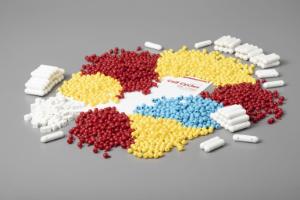 Cell Cycles Cell Cycles
Students enter the role of an R&D intern at an agricultural biotech company, to investigate a new crop plant virus and propose a mitigating solution.
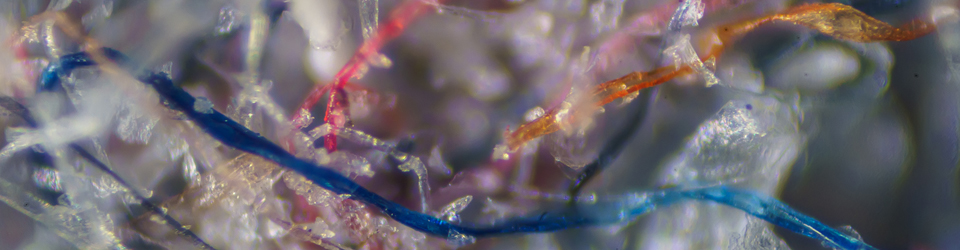
Fiber Identification
Students enter the role of an R&D intern at a sustainable clothing company, to research fabrics for a new, sustainable clothing line.
Air-Propelled Rover
Students enter the role of mechanical engineers advising an international council on the development of air-propelled rovers and reducing collisions during off-planet exploration.
Macronutrients in Food
Students enter the role of laboratory interns learning how to conduct chemical testing on foods to determine macronutrient composition.
Disease Transmission
Students research common transmissible diseases, community spread, route of transmission, and original source, as well as the benefits of vaccination.
Porosity and Permeability
Students will research the properties of particle size, sorted and unsorted particles, and the effect on the rate of water movement as they analyze a water infiltration and drainage issue at their local school.
Population Ecology
Students act as research assistants studying predator-prey population dynamics around the world, gaining an understanding of matter and energy transfers in ecosystems in the process.
Under Pressure
Students are on a high mountain climbing adventure and need to know what weather is in store for them, building a simple device in the process to help them predict the weather.
Who's Killing Crystal Creek
Students are part of the fictional town of Crystal, which has a local creek that has become so polluted, it is poisoning those who swim or eat local fish. Students attempt to solve the burning question: who is responsible for polluting the creek.
Animal Behavior
Students are architects, designing a brand-new school; but to design the best possible buildings, they need to study student behavior, specifically how students move through hallways.
Mystery Powder
Students wake up to a disaster in the kitchen, and the cat seems to have ingested an unknown white powder; is it construction material from the ongoing kitchen renovation, or a benign kitchen ingredient?
Pill Design
Students will design a coating for pills to lessen stomach pains associated with uncoated pains.
Engage Kits include CERTL-approved online training materials to make it easy to teach each case effectively.
- Click here to download the editable playlist – allowing your students to track due dates, deliverables, and additional observations.
- Click here to view the professional development. Through this introduction to inquiry-based learning methodology, educators are empowered to connect students’ learning to their real-world environment using inquiry-based learning cases.
. |








 Facebook
 Twitter
 YouTube
 Pinterest
 Instagram